
How to Plan Balanced Meals Without Stress: A Simple Guide
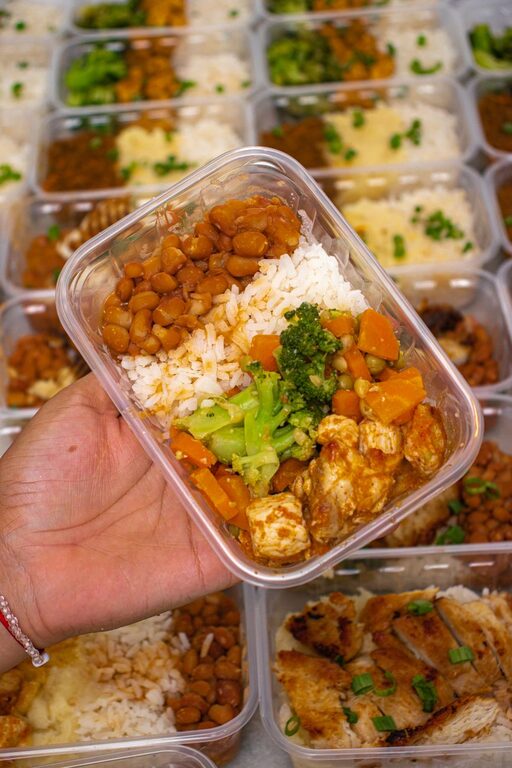
Planning balanced meals doesn’t have to be a complicated or stressful task. Whether you’re cooking for yourself, your family, or a group of friends, creating nutritious and satisfying meals can be simple and enjoyable. This guide will walk you through practical steps to organize your meals in a way that fits your schedule and tastes, making healthy eating a natural part of your routine.
What Are Balanced Meals?
Balanced meals include a variety of foods that provide essential nutrients your body needs to function well. Typically, a balanced plate consists of:
– Proteins: Such as lean meats, fish, beans, or tofu.
– Carbohydrates: Whole grains like brown rice, quinoa, or whole-wheat pasta.
– Vegetables and Fruits: For vitamins, minerals, and fiber.
– Healthy Fats: Such as olive oil, nuts, seeds, and avocado.
– Dairy or Alternatives: Like yogurt, cheese, or plant-based options.
By combining these elements, you ensure your meals support energy, growth, and overall health.
Why Meal Planning Helps Reduce Stress
When you plan your meals ahead of time, you avoid last-minute decisions that can lead to unhealthy choices or takeout. A meal plan:
– Saves time and effort during busy days.
– Helps manage food budgets.
– Reduces food waste by using ingredients efficiently.
– Encourages variety and balance.
– Lessens the mental load of daily cooking choices.
Step 1: Assess Your Needs and Preferences
Start by considering who you are cooking for, any dietary restrictions, and food likes and dislikes. Ask yourself:
– How many meals do you need to plan each day?
– Do you or your family members have allergies or special diets?
– What types of meals do you enjoy? Quick and easy, or more elaborate?
– How much time do you realistically have for cooking?
Knowing these answers will help narrow your options.
Step 2: Choose a Planning Method That Works for You
There are many ways to plan meals. Pick one that fits your lifestyle:
– Paper planner or calendar: Write down meals for the week.
– Mobile apps: Use apps designed for meal planning and grocery lists.
– Spreadsheets: Customize your plan and track ingredients.
– Whiteboard or chalkboard: Visual daily meal reminders for the family.
Consistency is key, so choose a method you enjoy and can maintain.
Step 3: Build Your Meal Framework
A simple way to start is to outline a basic framework for the week, such as:
– Monday: Protein + vegetable + grain
– Tuesday: Vegetarian meal
– Wednesday: Soup or salad-based meal
– Thursday: Stir-fry or one-pan dish
– Friday: Comfort food or family favorite
– Saturday: Something new or from a recipe
– Sunday: Leftovers or flexible meal
This structure helps you balance variety and convenience.
Step 4: Plan Your Grocery List Efficiently
Once you have your meals planned, list the ingredients needed. Tips for smart grocery shopping:
– Check your pantry and fridge first to avoid duplicates.
– Buy seasonal produce for freshness and better prices.
– Opt for versatile ingredients used in multiple recipes.
– Consider batch cooking staples like grains or roasted veggies.
– Stick to your list to reduce impulse buys.
Step 5: Prep Ahead to Save Time
Prepare ingredients in advance to make cooking quicker:
– Wash and chop vegetables for easy access during the week.
– Cook grains or proteins in larger quantities.
– Portion snacks and lunches the night before.
– Use storage containers to keep prepped items fresh.
Doing some prep work reduces daily cooking stress.
Step 6: Keep Meals Simple and Adaptable
Balanced meals don’t have to be complex. Some ideas include:
– Grain bowls with a protein, veggies, and dressing.
– Stir-fries with mixed vegetables and your choice of protein.
– Wraps or sandwiches using whole-grain bread and fresh fillings.
– Salads topped with beans, nuts, and flavorful dressings.
– One-pot dishes like chili or pasta primavera.
Feel free to swap ingredients based on availability or preferences.
Step 7: Be Flexible and Enjoy the Process
Meal planning should work for you, not become another source of pressure. It’s fine to:
– Swap meals if something doesn’t sound good.
– Use leftovers creatively.
– Treat yourself to a favorite takeout or dessert occasionally.
– Experiment with new recipes when you have time.
Remember, the goal is to nourish yourself and your loved ones with minimal stress.
Additional Tips for Balanced Meal Success
– Stay hydrated by drinking water throughout the day.
– Incorporate colorful fruits and vegetables for a range of nutrients.
– Include a source of fiber to aid digestion.
– Practice mindful eating and enjoy mealtime without distractions.
– Review your meal plan weekly and adjust based on what works.
Conclusion
With a little planning and preparation, balanced meals can become an easy and enjoyable part of your lifestyle. By understanding your needs, setting up a simple framework, and staying flexible, you’ll reduce mealtime stress and ensure nutritious options are always within reach. Start small, be consistent, and watch how a balanced approach to eating benefits your health and happiness.